2026-11-08 · Patrick Reilly
Typical Cost Factors For Water Damage Restoration In Hempstead NY
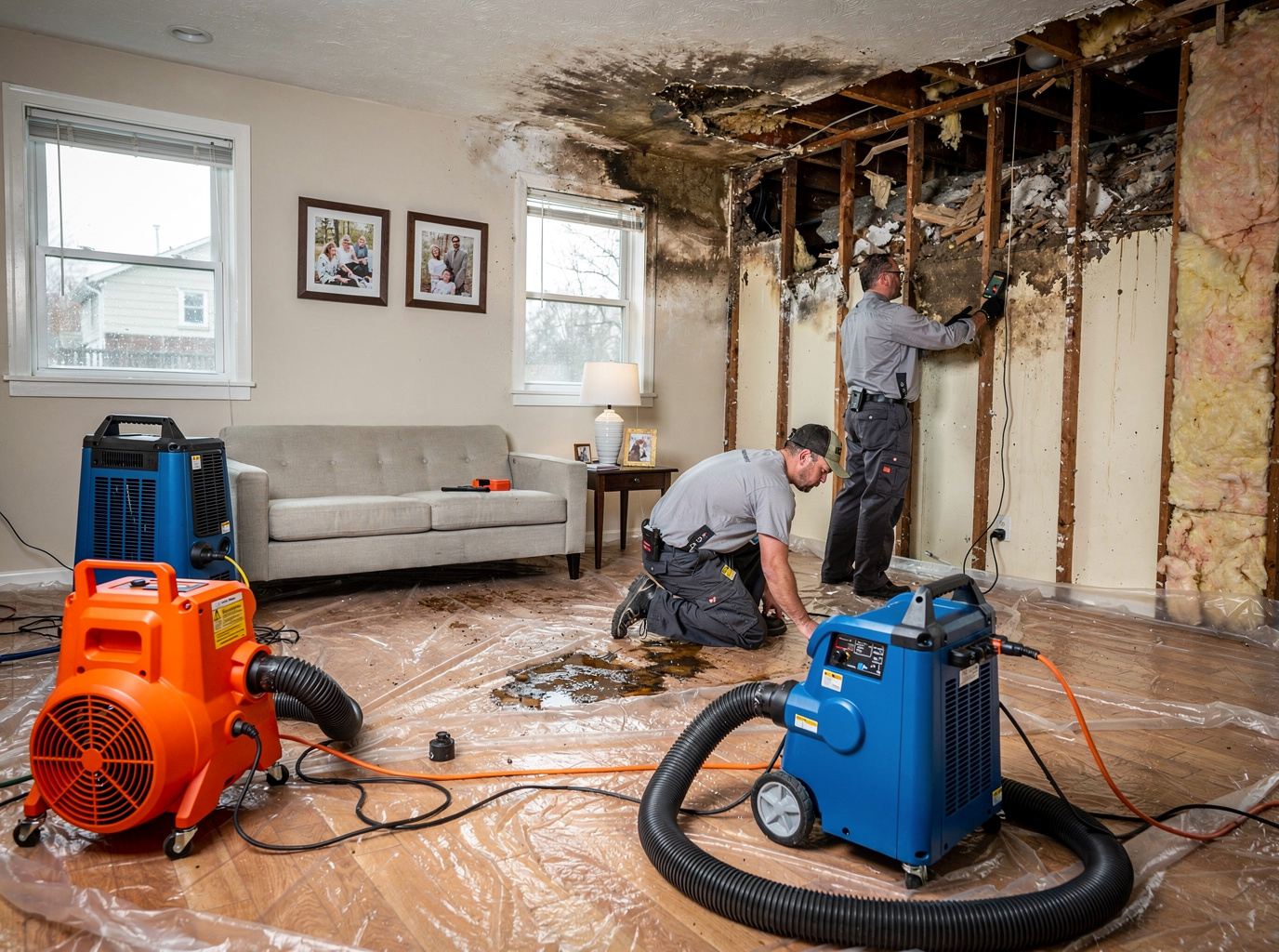
Water damage restoration in Hempstead NY usually costs between $1,200 and $5,000 for most residential jobs, with the final price shaped by damage extent, water type, affected surfaces, property access, and seasonal weather. These ranges reflect actual conditions in Nassau County neighborhoods where older housing stock and humid subtropical patterns create recurring issues.
Extent of the Damage
The square footage and depth of saturation remain the largest drivers of final invoices. A small leak confined to one room in a Downtown Hempstead home might stay under $1,800 if caught early, while water that reaches subfloors across 400 square feet in Hempstead Gardens pushes totals past $4,000. Crews must remove baseboards, pull carpet pads, and use moisture meters to map hidden moisture behind walls. In two-story properties near the Mackay Estate Gatehouse, water traveling downward through joists adds extraction and drying time that directly increases labor hours. Larger affected areas also require more dehumidifiers and air movers running for 3–5 days, raising equipment rental portions of the bill.
Category of Water and Required Safety Steps
Clean water from a burst supply line costs less to handle than contaminated sources because it needs fewer containment barriers and disposal steps. Category 2 gray water from washing machines or dishwashers in Clinton Street District homes often requires antimicrobial treatments and extra PPE, adding $600–$1,200 to the project. Category 3 black water from sewage backups near Hofstra University demands full containment, HEPA air scrubbers, and licensed disposal, frequently doubling the price compared with clean-water events. Nassau County health rules on standing water further dictate how quickly crews must act, which affects overtime rates during evenings or weekends.
Building Materials and Age of Homes
Hempstead’s housing stock includes many pre-1960 structures with plaster walls, hardwood floors, and knob-and-tube wiring that complicate drying. Removing and replacing 100 square feet of oak flooring in a West Hempstead residence can add $1,500–$2,800 alone. In contrast, newer drywall and vinyl plank in Uniondale or Rockville Centre homes allow faster demolition and reinstallation. Insulation types also matter: cellulose in attics near Hempstead Village Hall holds moisture longer than fiberglass batts, extending drying times and equipment costs. Homeowners can inspect visible workmanship after repairs because every removed section must be documented before reconstruction begins.
Seasonal Climate and Local Terrain Effects
Hempstead’s humid subtropical climate brings cold winters that freeze pipes in unheated basements and hot summers that accelerate mold growth after leaks. Nor’easters frequently overwhelm stormwater systems, sending water into low-lying yards in areas between West Hempstead and Rockville Centre. Flat Nassau County terrain means poor drainage around foundations, so exterior grading work sometimes becomes part of the restoration scope. These patterns explain why winter calls often involve pipe bursts while summer jobs center on humidity control. Preventing Frozen Pipe Damage In Hempstead Homes During Winter outlines steps that reduce these seasonal spikes.
Access, Location, and Follow-Up Drying
Properties with finished basements or limited crawl-space access in South Hempstead require extra time to set up containment and move furniture. Jobs near busy corridors such as Hempstead Turnpike may incur minor scheduling adjustments but rarely change core pricing. After initial extraction, crews return daily to check moisture readings until levels drop below 12 percent. Homeowners who schedule follow-up visits during regular business hours at 510 Hempstead Turnpike, West Hempstead, NY 11552 keep projects on track without weekend premiums. How To Handle Stormwater Flooding After Nor'easters In Hempstead provides additional guidance on preventing repeat events in the same properties.